Guide
Opening a door without keys: identify the problem without damage
“Without keys” may mean a slammed door, a locked door, a lost key or a broken piece left in the cylinder. The correct response depends entirely on that diagnosis.
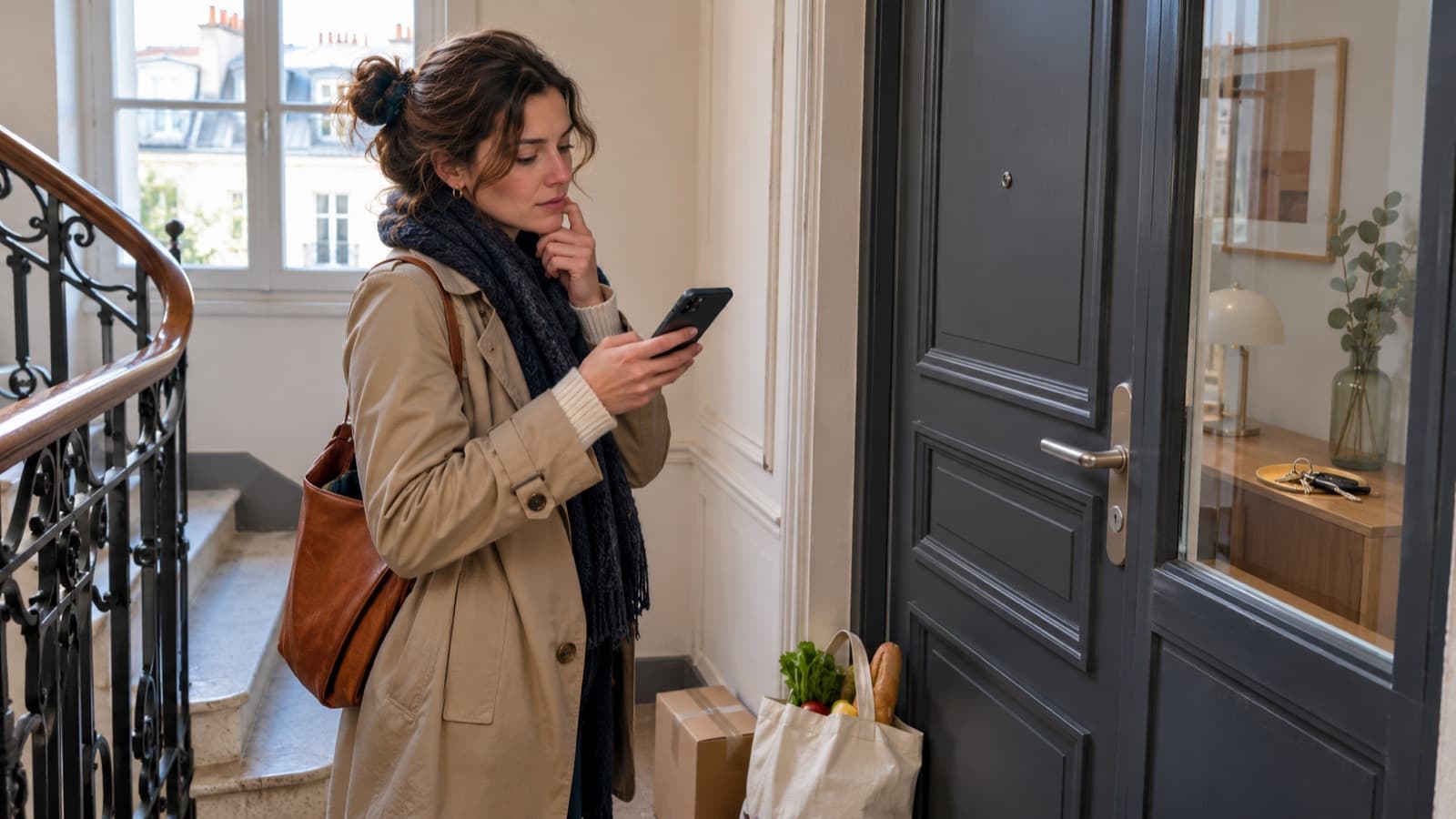
Begin by identifying the type of blockage
A slammed door is held by the latch without being locked with the key. A locked door has one or more deadbolts engaged. From outside, the handle, type of lock and a key left inside may also affect the method.
If the key turns freely, refuses to turn or has broken, the problem may concern the key, cylinder, alignment or lock mechanism. Stop repeated attempts: a fragment or distorted part may make the repair more difficult.
After an attempted break-in, do not consider access alone. The priority is to secure the property and preserve anything needed for inspection and insurance.
Exhaust legitimate, risk-free options first
Check for a spare key with a relative, caretaker, landlord or property manager. Managed accommodation may have an established access procedure.
Use another entrance only if it is intended for access and can be reached without climbing or forcing anything. A high window, balcony or façade is never a reasonable route.
If someone is in danger inside, contact the emergency services. The access problem has then become a matter of personal safety.
Why improvised tricks often cause more damage
A plastic card, screwdriver, wire or levering tool can damage the seal, paint, latch or frame. Even when a video appears to show an easy opening, it may not show the door type or the damage outside the frame.
We do not provide instructions for bypassing a lock. Without verifying the occupant and understanding the mechanism, such instructions would be dangerous and easy to misuse.
For a door that has simply slammed shut, a professional should prefer a non-destructive method when the configuration permits. Ask for the proposed method to be explained before authorising it.
Prepare the visit and check the quote
On the phone, explain whether the door is slammed or locked, the door type, whether a key is inside and any visible damage. Prepare evidence that you occupy the property.
Ask about travel, labour, surcharges and any parts being considered. On site, a change of method or price should be explained in a revised quote.
The guide door slammed shut: the right reflexes covers the most common case. For a snapped key, read broken key in a lock.
Decide what to replace after the door is open
An opening completed without damage does not automatically justify replacing the lock. However, have the cylinder checked or replaced if keys were lost with an identifiable address, it was forced or it remains unreliable.
Test the door open and then closed. A mechanism that works with the door open but binds once closed may indicate poor alignment rather than a faulty cylinder.
Keep the invoice and part references. The door-opening service explains the information needed before making a request.